Rules & Disposal
Frederick County Recycling & Disposal Guide
A plain-language look at how curbside recycling, seasonal yard waste, household hazardous waste, and electronics programs work in Frederick County, and where dumpster debris fits.
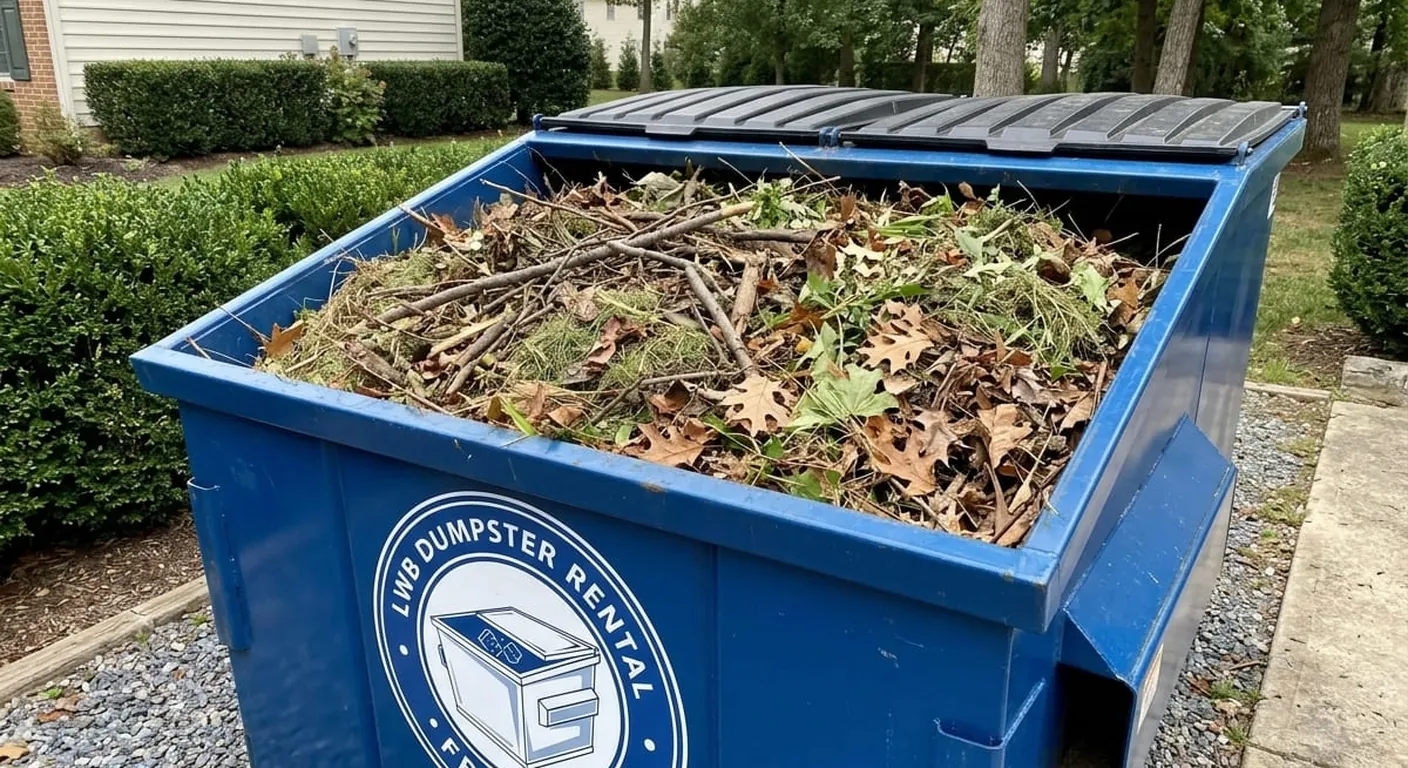
Renting a dumpster in Frederick County almost always raises the same follow-up question: where does everything actually end up? Between curbside recycling bins, seasonal leaf collection, household hazardous waste drop-offs, and a roll-off dumpster sitting in the driveway, it's easy to lose track of which stream handles what. This guide walks through the general system Frederick County residents work within, how a construction or cleanout dumpster fits into that picture, and how a hauler like LWB Dumpster Rental Frederick sorts and diverts material before the rest heads to a permitted disposal facility.
None of this is meant to replace the official word. Frederick County government and the Maryland Department of the Environment (MDE) are the authorities on program specifics, and both publish current details that change from year to year. Think of this article as the map, not the schedule.
Curbside Recycling: The Everyday System
Most households inside the City of Frederick and across the incorporated towns and unincorporated areas of the county have access to some form of curbside recycling collection, typically run on a rotating schedule alongside regular trash pickup. The exact routes, bin sizes, and accepted-materials list vary by hauler and by jurisdiction — a home in Walkersville or Middletown may follow a slightly different program than a rowhome in downtown Frederick or a subdivision like Urbana or Ballenger Creek.
What stays consistent almost everywhere is the general category of materials accepted: cardboard, mixed paper, glass and plastic bottles, aluminum and steel cans. Contamination is the biggest reason recycling loads get rejected — grease-soaked pizza boxes, plastic bags tangled in the sorting equipment, or garden hoses and scrap metal tossed in the bin all cause problems downstream. When in doubt about a specific item, the safest move is to check with Frederick County government directly rather than guess, since acceptance lists do change over time.
Curbside programs are built for ongoing household volume — the bottles, cans, and junk mail that accumulate week to week. They are not designed for a kitchen remodel, a roof tear-off, or the contents of a garage that hasn't been cleared out in years. That's the gap a dumpster rental fills, and it's worth understanding before a big project starts. For a broader rundown of what belongs in a roll-off versus what doesn't, see our guide on what can go in a dumpster in Maryland.
Seasonal Yard Waste and Leaf Collection
Frederick's four-season climate means yard debris comes in waves rather than a steady trickle. Spring brings storm-damaged branches and the first round of mowing clippings; fall brings the big one — leaf drop across the county's mature tree canopy, especially in older in-town neighborhoods and established subdivisions like Spring Ridge and Wormans Mill. Many Frederick County jurisdictions run seasonal leaf and yard-waste collection programs, often with bagged leaf pickup in autumn and brush or chipping routes on a set calendar.
Because these programs are seasonal and jurisdiction-specific, treat any date or frequency you've heard secondhand as a starting point for confirmation, not a fact to plan around — the county's own site is the place to verify current-year dates and rules. Outside those collection windows, or for volumes too large for bags and bundles — a full landscaping overhaul, storm cleanup after a summer thunderstorm, or clearing an overgrown lot before a build — a dedicated container is usually faster. We cover that scenario on our yard waste removal page, and our Maryland seasonal cleanup guide walks through timing a project around the calendar.
Household Hazardous Waste
Paint, solvents, motor oil, pesticides, propane cylinders, and old batteries are the category most homeowners get wrong. None of it belongs in curbside trash or recycling, and none of it can legally go into a roll-off dumpster — it's prohibited in ours for the same reason it's excluded from regular collection. These materials require a household hazardous waste (HHW) program, which Frederick County coordinates through periodic collection events or a designated drop-off option.
The details of HHW programs — what's accepted, how often events run, whether appointments are required — shift often enough that quoting specifics here would go stale fast. Frederick County government maintains current guidance, and MDE sets the statewide regulatory framework for handling hazardous waste. If you're staring at a shelf of old paint cans or a garage full of automotive fluids, that's the right starting point rather than assuming it can ride along with a cleanout dumpster.
Common HHW Items Worth Flagging Early
- Paint, stains, and solvents (even "empty" cans with residue)
- Pesticides, herbicides, and pool chemicals
- Motor oil, antifreeze, and other automotive fluids
- Propane tanks and other pressurized cylinders
- Household and vehicle batteries
Flagging these before delivery day means the project doesn't stall out because a driver has to turn something away mid-load.
Electronics Recycling
TVs, computers, monitors, and other e-waste fall into their own category for a reason — many contain lead, mercury, or other components that Maryland regulates separately from ordinary trash. Frederick County typically offers electronics recycling through periodic collection events or designated drop-off points, separate from both curbside recycling and HHW handling. As with yard waste and HHW, the current mechanics are best confirmed through the county rather than assumed to match what a neighbor or an old search result describes.
Electronics are also excluded from roll-off dumpsters. It's not a matter of preference — it's the same statewide framework that keeps hazardous materials, tires, and medical waste out of general disposal loads. If a whole-home cleanout turns up a stack of old electronics along with everything else, plan to route those separately rather than tossing them in with furniture and boxes. Our whole-home cleanout weekend plan covers how to stage a project so nothing ends up in the wrong pile.
Where a Dumpster Fits — and What LWB Diverts Before Disposal
A roll-off dumpster handles the volume curbside programs weren't built for: renovation debris, whole-home cleanouts, storm damage, roofing tear-offs, demolition material, and general bulk junk that would otherwise take a dozen trips to the curb over several months. It's the practical middle ground between "small enough for the recycling bin" and "large enough to need a permitted disposal facility directly."
What a lot of customers don't realize is that not everything in a mixed dumpster load is treated the same once it leaves the driveway. Before the remainder heads to a permitted disposal facility, LWB separates out what can reasonably be diverted:
- Clean wood — untreated framing lumber, pallets, and similar material can often be diverted rather than landfilled.
- Scrap metal — appliances, piping, wiring, and structural metal have real recycling value and get pulled out.
- Cardboard — bulk cardboard from a move or cleanout is separated when it's reasonably clean and dry.
- Clean concrete — uncontaminated concrete and masonry, common in driveway and patio tear-outs, is handled separately from mixed debris.
The rest — general construction debris, furniture, mixed household junk — goes to a licensed Frederick County-area disposal facility. We don't name a specific site because which facility handles a given load can depend on the material and the day, but everything moves through permitted, regulated channels. Jason Miller, our Sustainability & Compliance Officer, oversees how loads get sorted so that what can reasonably be diverted actually is, rather than defaulting everything straight to disposal.
This is also why weight and material mix matter more than volume alone for pricing and container choice. Heavy material like concrete and dirt is restricted to our 10 and 15 yard containers because of axle weight limits, not because we're trying to upsell a bigger box. If you're not sure which size fits a mixed-material project, our dumpster size guide breaks down the five sizes we run — 10, 15, 20, 30, and 40 yard — against typical project types.
Material-by-Material: Where It Actually Goes
Here's a general reference for how common materials are typically routed in Frederick County. Always confirm specifics for hazardous or regulated items with the county or MDE before assuming.
| Material | Typical Destination | Notes |
|---|---|---|
| Cardboard, paper, bottles, cans | Curbside recycling | Keep clean and dry; loose plastic bags usually aren't accepted in the bin itself |
| Leaves, brush, grass clippings | Seasonal county collection or dumpster | Bagged/curbside during collection windows; a container works better for large volumes or off-season cleanup |
| Paint, solvents, pesticides, batteries | Household hazardous waste program | Never curbside, never in a roll-off dumpster |
| TVs, computers, monitors | Electronics recycling collection | Separate from HHW and curbside; check current county program details |
| Clean wood, scrap metal, cardboard, clean concrete | Diverted from dumpster loads where possible | Sorted out by LWB before the remainder goes to disposal |
| Mixed construction/demolition debris, general junk | Roll-off dumpster to permitted disposal facility | Bulk of a typical renovation or cleanout load |
| Usable furniture, clothing, housewares | Separate donation | Worth pulling aside before loading a dumpster; keeps usable items out of disposal entirely |
| Tires, propane tanks, medical waste | Specialty disposal only | Prohibited in dumpsters and curbside collection alike |
That donation row matters more than people expect. Before a dumpster shows up for an estate cleanout or a downsizing move, it's worth setting aside furniture, working appliances, and usable housewares for donation — it reduces disposal volume and often the total weight in the container. Our estate cleanout service and estate cleanout checklist cover that sorting process in more depth.
Construction and Demolition Debris: A Bigger Category
Renovation and demolition projects generate a different scale of material than household recycling or yard waste — drywall, roofing shingles, flooring, framing lumber, fixtures, and often concrete or masonry. This is squarely dumpster territory. If you're planning a remodel, a full roof tear-off, or a demolition project, our guides on construction debris disposal in Frederick and roofing tear-off dumpster sizing go into the specifics of what a project like that typically generates and how to size a container for it.
Older Frederick housing stock adds a wrinkle worth mentioning. Pre-1940 rowhomes downtown often have plaster-and-lath walls, which are considerably heavier per square foot than modern drywall — a demo project in one of those homes can hit weight limits faster than the volume alone suggests. Narrow alleys and tight in-town lots also rule out our larger containers in some locations, which is a placement question worth sorting out before delivery day rather than after. Our service area page and dumpster permits guide cover placement and permit considerations across the county, including HOA-restricted neighborhoods where a container can't sit visible from the street for long.
Why This System Exists — and Why It's Worth Following
None of these separate streams — curbside, seasonal yard waste, HHW, electronics, dumpster-bound debris — exist to create hoops to jump through. Hazardous materials in a landfill create real environmental and safety problems; clean wood and scrap metal in a landfill is recoverable value going to waste; and a recycling bin contaminated with the wrong items can end up costing everyone in the system when the whole load gets rejected. Sorting correctly the first time is faster than sorting it out after the fact, and it's part of why we train our team, including drivers like Carlos Ramirez, to flag prohibited items before they ever leave your property.
If you're not sure where a particular project's debris fits — whether it's dumpster-appropriate, needs a specialty program, or is small enough for curbside — our FAQ page covers the most common questions, and our team is always happy to walk through a specific project by phone.
Whether you're clearing out a garage in Thurmont, tackling a kitchen remodel in Urbana, or handling an estate cleanout near downtown Frederick, getting materials into the right stream from the start saves time and headaches later. For anything dumpster-sized — renovation debris, whole-home cleanouts, yard waste beyond what the seasonal program handles, or general bulk junk — call LWB Dumpster Rental Frederick at (240) 549-6718 and we'll help you pick the right size and walk through what can and can't go in the container before it ever arrives.
Need a container in Frederick or anywhere in Frederick County? Call (240) 549-6718 and describe the job. We will name the size, the flat rate and a delivery slot — often the same day. No forms, no waiting on an email.